
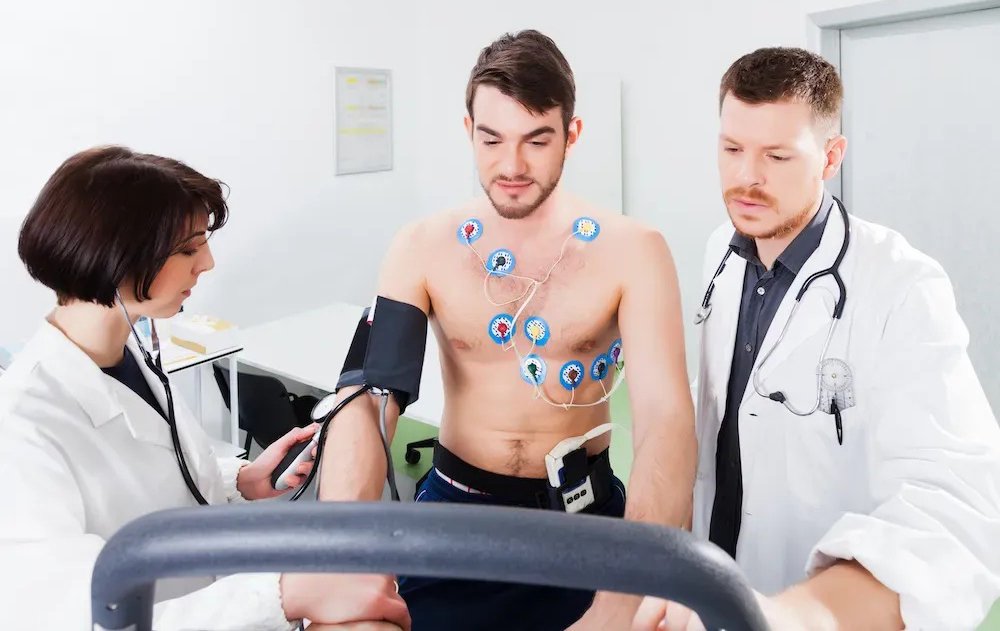
A Treadmill Test (TMT), also known as an Exercise Stress Test, is a commonly used non-invasive cardiac test that evaluates how well your heart functions during physical activity. Since exercise increases the heart’s demand for oxygen, a TMT helps doctors detect heart problems that may not be visible at rest.
What Is a Treadmill Test (TMT)?
The Treadmill Test measures:
- Heart rate
- Blood pressure
- Heart rhythm (ECG changes)
- Physical endurance
while the patient walks or runs on a treadmill under controlled conditions.
TMT is especially useful for detecting coronary artery disease, assessing exercise tolerance, and evaluating unexplained chest pain or breathlessness.
Who Needs a TMT?
A TMT may be advised if you have:
- Chest pain or chest discomfort
- Shortness of breath on exertion
- Palpitations or dizziness
- Suspected coronary artery disease
- History of heart disease
- Risk factors such as diabetes, hypertension, smoking, obesity, or family history
It is also commonly used in preventive heart check-ups.
TMT Procedure: Step-by-Step
1. Preparation
- Electrodes are placed on the chest to record ECG
- Blood pressure cuff is applied
- Baseline ECG and BP readings are taken
2. Exercise Phase
- You start walking on the treadmill
- Speed and incline increase gradually every few minutes
- Heart rate, ECG, and BP are continuously monitored
3. Monitoring Symptoms
The test may be stopped if you experience:
- Chest pain
- Excessive breathlessness
- Dizziness
- Fatigue
- Significant ECG changes
4. Recovery Phase
- Monitoring continues for a few minutes after exercise
- Heart rate and BP are observed until they return to normal
The entire test usually takes 15–30 minutes.
How to Prepare for a TMT
- Wear comfortable clothes and walking shoes
- Avoid heavy meals 2–3 hours before the test
- Inform your doctor about current medications
- Avoid smoking or caffeine before the test (if advised)
Benefits of Treadmill Test
- Non-invasive and safe
- Helps detect blocked heart arteries
- Assesses exercise capacity and fitness level
- Evaluates effectiveness of heart medications
- Useful for preventive cardiac screening
- Provides quick and reliable results
Are There Any Risks?
TMT is generally very safe when performed under medical supervision. Rare risks may include:
- Chest pain
- Drop or rise in blood pressure
- Abnormal heart rhythms
Medical staff are present throughout the test to handle any complications immediately.
Who Should Not Undergo TMT?
TMT may not be suitable for patients with:
- Recent heart attack
- Severe heart valve disease
- Uncontrolled blood pressure
- Severe joint or mobility problems
In such cases, alternative tests like Stress Echocardiography may be recommended.
